Watts vs. watt-hours
Watts describe power: how much equipment can supply or use at a moment. Watt-hours describe energy: how much a battery can store. A larger battery does not automatically have a more powerful inverter.
Explore portable powerSTART WITH A LITTLE KNOW-HOW
Plain-language notes for your next equipment decision.
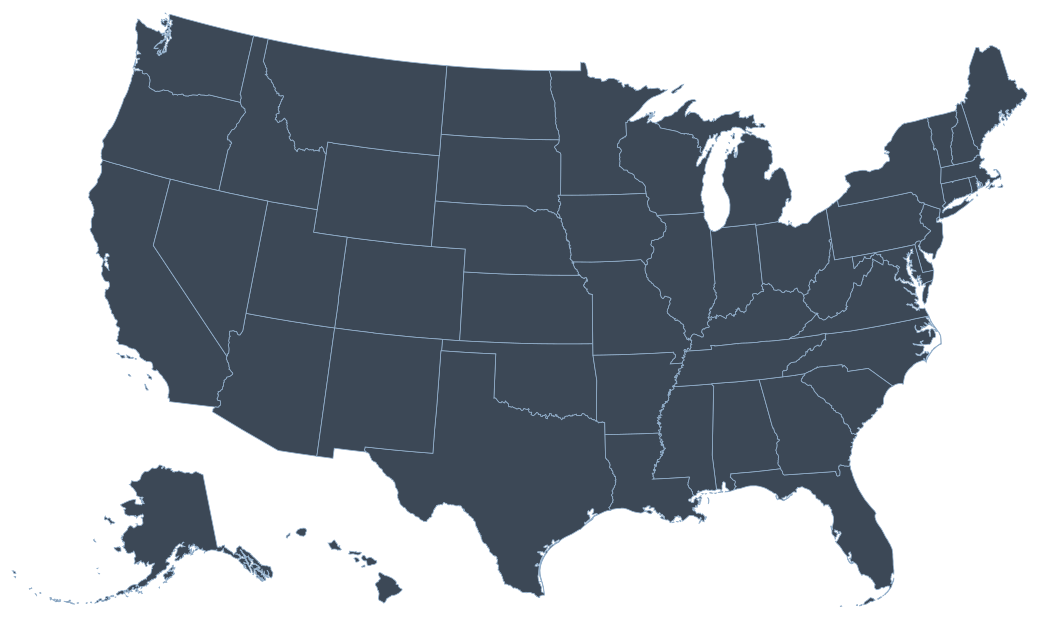
50 STATES + DC
Explore state rules, electric providers, and sourced credits or rebates before planning your project.
Choose your state
UL · NEMA · ELECTRICAL CODES
Understand product listings, battery-system certification, enclosure ratings, and the documents to request.
Explore the standardsRead exact-model certificates and test scopes
See store catalog coverage and remaining gaps
Watts describe power: how much equipment can supply or use at a moment. Watt-hours describe energy: how much a battery can store. A larger battery does not automatically have a more powerful inverter.
Explore portable powerA rack or wall battery may need a compatible inverter, protective equipment, and installation. Complete home-storage systems and expansion batteries have different roles. Start with the exact model and the manufacturer's requirements.
Explore batteriesConfirm whether a price is for one panel, a pallet, or a minimum quantity. Compare dollars per watt only when both the price basis and total rated wattage are clear. Shipping can materially change the final cost.
Explore solar panelsRunning and surge power are different. Output can also differ by fuel. Check the voltage, continuous rating, and connection requirements for the exact model before comparing equipment.
Explore generators