FIND YOUR PLACE IN THE SUN
Solar rules, providers
& incentives.
Explore your state for solar requirements, electric providers, and sourced credit or rebate opportunities.
Hover or focus a state to explore. Select it to open the guide.
Hover or focus a state, then select it to open its guide.
Three separate checks: local permits and inspections, utility interconnection, and equipment acceptance. A state policy does not replace your utility tariff or local approval.
UL & NEMA standards explained51 guides · 50 states and Washington, DC

Alabama
Start with your serving utility’s interconnection process and the local code office.

Alaska
Check whether your electric system is covered by RCA net-metering rules before sizing an export system.

Arizona
Use the serving utility’s distributed-generation process and confirm local permit requirements separately.

Arkansas
Determine whether the project receives legacy or non-legacy net-metering treatment before comparing economics.

California
Check both the utility’s Rule 21 process and the billing tariff for the application date.

Colorado
Verify the utility type, approved system size, and export-credit election before final design.

Connecticut
For new residential projects, start with Residential Renewable Energy Solutions rather than assuming the legacy net-metering program.

Delaware
Identify your utility before applying the state’s net-metering provisions or estimating annual credits.


District of Columbia
Treat utility interconnection and DOB construction permitting as separate approvals.

Florida
Separate the utility interconnection application from local building, fire and electrical approval.

Georgia
Have the serving utility review the proposed equipment before buying or beginning construction.


Hawaii
Choose an exporting or non-exporting DER pathway with your island’s utility and check the county permit rules.

Idaho
Check the export-credit tariff separately from the technical interconnection requirements.

Illinois
Check the current utility tariff and the existing system’s eligibility before using older net-metering assumptions.

Indiana
For investor-owned utility customers, distinguish Excess Distributed Generation tariffs from preserved legacy net-metering service.

Iowa
Ask which metering and billing method the utility’s approved distributed-generation tariff uses.

Kansas
Identify whether net metering or parallel generation applies to your provider and system.

Kentucky
Review the specific utility’s net-metering tariff and interconnection agreement before assuming how exports will be credited.

Louisiana
Identify the serving utility before applying: Entergy New Orleans has its own net-metering process, separate from the LPSC distributed-generation rules.

Maine
Treat utility interconnection and net energy billing as separate applications, and check the current Maine PUC rules before committing to a project.

Maryland
Use the Maryland PSC small-generator interconnection standards and confirm the inverter’s certification and required settings before purchase.

Massachusetts
Check both net-metering eligibility and the electric company’s interconnection process; municipal electric customers must check their own municipal program.

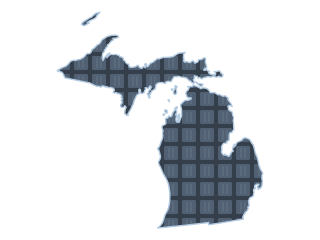
Michigan
Start with the serving utility’s approved generator-interconnection procedures and current distributed-generation tariff.

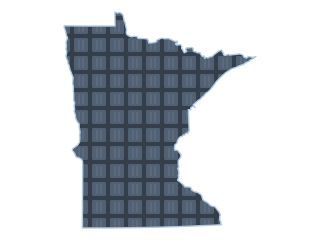
Minnesota
Use the MN DIP/DIA interconnection process for qualifying parallel distributed energy projects, then identify the separate compensation agreement.

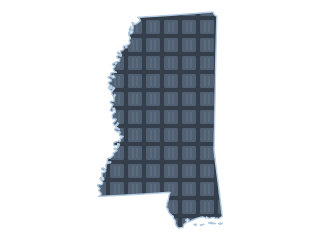
Mississippi
Use the serving utility’s distributed-generation interconnection process and check whether PSC rules apply to that utility.

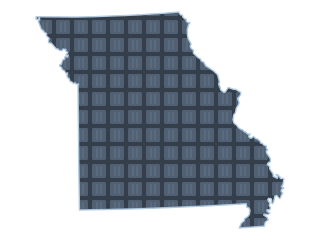
Missouri
Check the customer-generator requirements, serving utility’s interconnection agreement, and local construction codes separately.

Montana
Identify whether service is from NorthWestern Energy, Montana-Dakota Utilities, or a cooperative, then use that provider’s interconnection terms.

Nebraska
Contact the local distribution utility about the qualified-facility interconnection agreement before choosing equipment.


Nevada
Check the applicable net-metering tariff and the local building department rather than assuming a single rate or code applies throughout Nevada.

New Hampshire
Use the current Department of Energy net-metering rules and the distribution utility’s interconnection requirements.

New Jersey
Plan the solar array around annual electric needs and identify the correct utility interconnection review level.

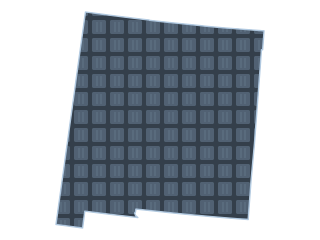
New Mexico
Use NMPRC Rule 568 for a qualifying distribution interconnection, alongside the utility’s tariff and construction permit process.

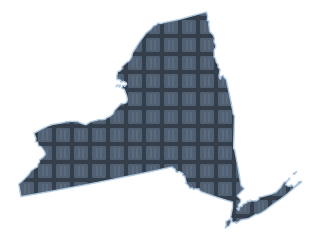
New York
Use the Standardized Interconnection Requirements and the serving utility’s technical requirements for parallel solar and storage.

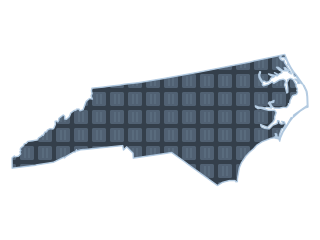
North Carolina
Identify the utility and applicable net-metering rider before estimating solar bill savings.

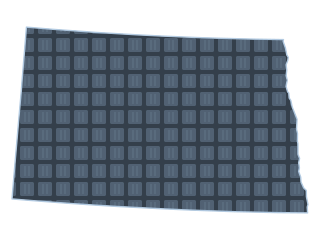
North Dakota
Confirm the serving utility’s small-generation tariff and interconnection terms, with separate state electrical compliance.

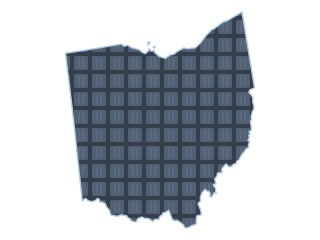
Ohio
Start with the local electric utility for interconnection, then request its net-metering tariff.

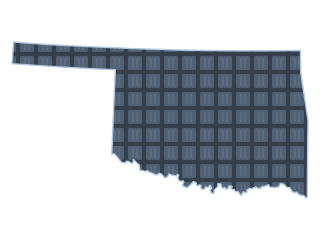
Oklahoma
Use the Corporation Commission’s distributed-generation rules and your utility’s current tariff.

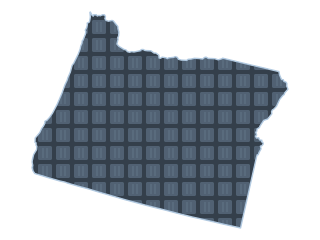
Oregon
Check the serving utility’s net-metering process alongside Oregon electrical requirements.

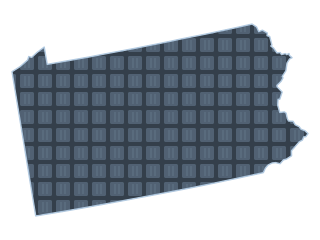
Pennsylvania
Net metering and grid connection are addressed separately within Chapter 75.

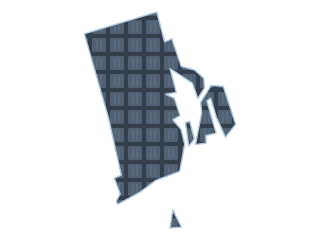
Rhode Island
Choose the correct compensation program before applying for utility interconnection.

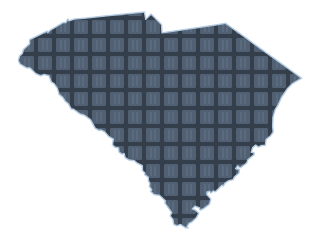
South Carolina
Use the current customer-generation tariff and the state’s interconnection procedures.

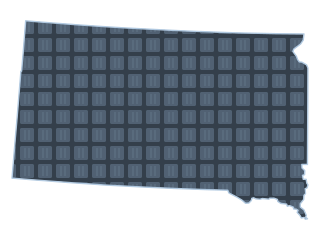
South Dakota
Plan around utility interconnection and excess-generation purchases rather than assuming retail net metering.

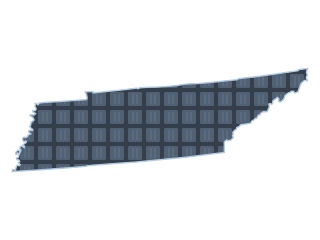
Tennessee
For TVA-supplied areas, coordinate with the local power company and the appropriate TVA program.

Texas
Separate the poles-and-wires interconnection from the contract that pays for exports.


Utah
Rocky Mountain Power’s export-credit program differs from its legacy net-metering programs.

Vermont
Coordinate the state net-metering authorization with the serving utility’s interconnection review.

Virginia
Start with SCC net-energy-metering resources and the serving utility’s notification process.

Washington
Check both your utility’s net-metering availability and the electrical inspection jurisdiction.

West Virginia
Confirm the utility’s current tariff and application timing before assuming a compensation structure.

Wisconsin
Use PSC 119 interconnection procedures and your provider’s buyback or net-metering tariff.

Wyoming
Use Wyoming’s net-metering statute with the serving utility’s application and tariff.
No matching state. Try its full name or two-letter abbreviation.
Sources reviewed 2026-11-06. This is a starting guide for residential and small distributed solar, with storage checks where relevant. Large projects, tribal or federal land, and special installations can have additional processes.