Sources reviewed · 2 regulation sources
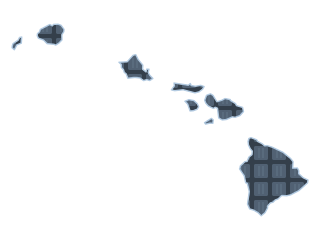
What to know in Hawaii.
The Hawaii PUC describes a Non-Export Rider for self-consumption and a Smart DER tariff framework for participating Hawaiian Electric customers.
The PUC separately describes battery grid-services participation through a BYOD tariff; do not assume an ordinary solar interconnection enrolls a battery in that program.
Confirm the program with Hawaiian Electric or the serving island utility; a program offered in one service territory is not automatically available throughout Hawaii.
Who provides electricity here?
Narrow possible delivery utilities by ZIP or confirm yours
Find the delivery utility on your electric bill first. A retail supplier or on-site solar seller may be a different company; your delivery utility handles the local grid connection.
PUC lists electric utilities by island; grids are not interconnected. Hawaii Energy rebates exclude Kauai, which uses KIUC programs.
Electric Utilities by island — Hawaii PUCBrowse 9 reported provider records in Hawaii
9 records
Electric delivery utilities 4
- Hawaiian Electric Co IncInvestor Owned · EIA 19547
Reported counties (1)
Honolulu
- Hawaii Electric Light Co IncInvestor Owned · EIA 8287
Reported counties (1)
Hawaii
- Maui Electric Co LtdInvestor Owned · EIA 11843
Reported counties (2)
Kalawao, Maui
- Kauai Island Utility CooperativeCooperative · EIA 10071
Reported counties (1)
Kauai
On-site energy sellers 5
- Sunrun Inc.Behind the Meter · EIA 59647
Reported counties (0)
County coverage not reported in this source
- Tesla Inc.Behind the Meter · EIA 57313
Reported counties (0)
County coverage not reported in this source
- SunPower Capital, LLCBehind the Meter · EIA 59580
Reported counties (0)
County coverage not reported in this source
- Spruce FinanceBehind the Meter · EIA 59943
Reported counties (0)
County coverage not reported in this source
- EverBright, LLCBehind the Meter · EIA 66036
Reported counties (0)
County coverage not reported in this source
No matching providers in this reporting snapshot. Check the official directory above.
Official logo sources · Initials indicate a logo not yet verified. Municipal-owner emblems identify the owning city or village.
Source: EIA-861 final 2025 detailed data · Reporting year 2025. Names and reported counties are historical survey data, not a live address lookup. A county can have several providers, and a listing does not mean every resident can choose it. Small/territory-only reports may not identify residential service separately.
Credits, rebates, and other opportunities.
Check the program’s scope before comparing savings: a tax exemption, equipment rebate, loan and electricity-export payment provide different benefits. Funding, utility territory, income, equipment and installation dates can limit eligibility. Amounts below are not added together or deducted from product prices.
Build a project incentive checklist for Hawaii
3 state & utility records

Renewable Energy Technologies Income Tax Credit
Hawaii Department of Taxation / Hawaii State Energy Office · Solar
HSEO explains Act 24 changes and Executive Order 26-02 preserving 2026 solar-credit treatment while later-year rules change.
- Benefit
- Use the tax-year instructions and current implementation guidance; no universal credit amount is assumed.
- Who may qualify
- Qualifying renewable systems, taxpayer and tax-year rules; system sizing/certification and ownership conditions apply.
- Before applying or buying
- Confirm current-year installation and filing requirements with DOTAX before relying on the credit; older pages may not reflect 2027 changes.

Hawaii Energy heat-pump water-heater rebate
Hawaii Energy · Heat pumps
2026–27 conservation-program rebates include qualifying heat-pump water heaters sold through participating retailers.
- Benefit
- Up to $700 instant rebate, subject to model, size and retailer rules.
- Who may qualify
- Eligible residential ratepayers on Hawaii, Lanai, Maui, Molokai and Oahu; Kauai is excluded from Hawaii Energy.
- Before applying or buying
- Choose a participating retailer and qualifying model before purchase; verify service-area and current offer eligibility.
eHale Energy Saver rollout status
Hawaii State Energy Office · Multiple upgrades
HSEO says the HEEHR and HOMES pathways will be available in early 2027, rather than currently available statewide.
- Benefit
- No present award assumed; monitor the official launch and application terms.
- Who may qualify
- Future household/project eligibility will follow published implementation rules.
- Before applying or buying
- Do not buy expecting a future rebate until the official program confirms eligibility and application timing.
No matching records in this reviewed selection. Check the official program sources for more options.
2026 solar-credit treatment and 2027 changes must be distinguished. Hawaii Energy rebates are separate from the future eHale rebate launch. This is a curated starting list, not every local incentive or a guarantee of available funding.
Federal programs in every state
The federal rules below apply nationally. State-administered federal rebates still require the local program to be operating and your project to meet its conditions.
Residential Clean Energy Credit (25D)
Closed / endedNot available for new property placed in service after December 31, 2025. Do not assume a federal 30% credit for a new 2026 solar, wind, geothermal or battery installation.
IRS: Residential Clean Energy CreditEnergy Efficient Home Improvement Credit (25C)
Closed / endedThe federal home-efficiency credit, including qualifying heat-pump improvements, ended for property placed in service after December 31, 2025.
IRS: Energy Efficient Home Improvement CreditHOMES / High-Efficiency Electric Home Rebates
Eligibility / funding conditionsFederally funded home-energy rebates operate through participating local administrators. Check the state program’s launch, current funding, eligible measures and application requirements. This is not a blanket rooftop-solar rebate.
DOE: Home Energy Rebates ProgramWeatherization Assistance Program
Eligibility / funding conditionsIncome-eligible households may receive approved home-weatherization services through local agencies. This is assistance delivered through a program, rather than an automatic reimbursement for equipment you buy.
DOE: How to Apply for Weatherization Assistance
Permits and electrical codes.
The State Building Code Council notes county code-adoption authority and housing-proclamation effects. Confirm the electrical, building and fire code in force with the county, rather than relying on a statewide edition alone.
Use the adoption authority linked below to check the effective date and amendments. The newest published NEC edition is not automatically the edition adopted for your project.
Before ordering equipment.
Two conversations. Keep their answers separate.
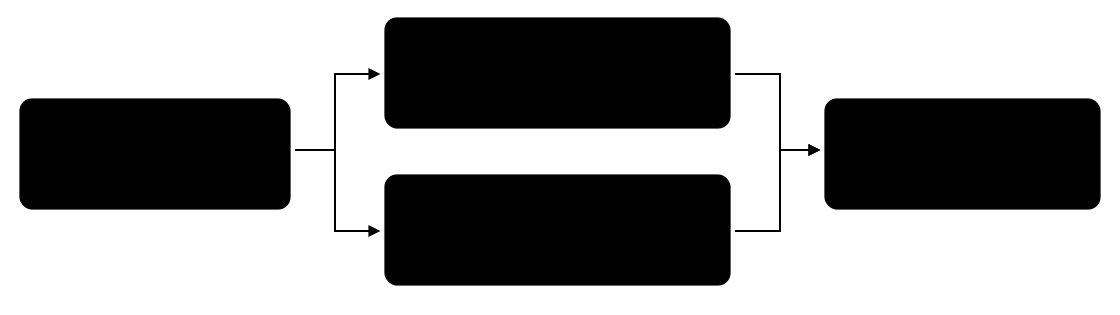
Track permits and interconnection in a project
- Confirm the permit authority
Ask the city, county, or state electrical office which building, electrical and fire-code editions and amendments apply to this address. Request the solar/ESS permit checklist and inspection sequence.
- Confirm the utility process
Give the serving utility your proposed capacity, inverter model and operating mode. Ask which interconnection application, tariff, export limits, meter changes and written operating authorization apply.
- Document the exact equipment
Collect model-specific certificates, installation manuals, a one-line diagram, site/roof plans, and the battery/inverter pairing if storage is proposed. Check them with the permit authority and utility before ordering.
For the general permitting and inspection process: DOE: Permitting and Inspection for Rooftop Solar .
UL, NEMA, and system acceptance.
Different evidence, different scope.

Check the exact model and approved system configuration. A UL 1973 battery listing or UL 9540A fire-test report does not, by itself, establish UL 9540 certification of a complete storage system.
Open the UL & NEMA referenceScope and system-level certification: UL Solutions: Energy Storage System Testing and Certification .
Official sources.
Open the source for current forms, eligibility, tariffs, and adopted rules. Utility-specific examples apply to that provider.